
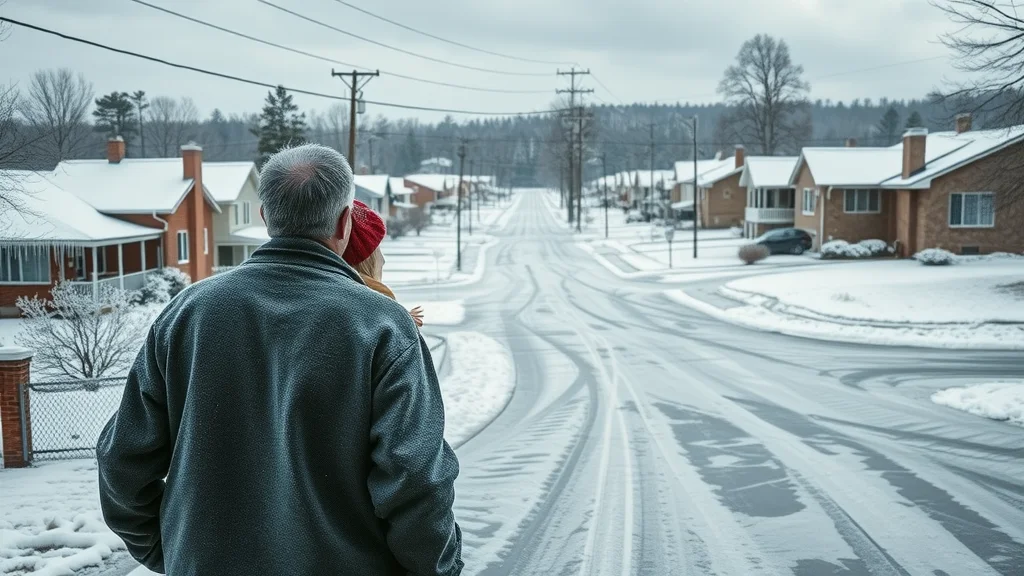
How An Ice Storm Can Damage Your Homes Exterior In Columbia SC—Protect Now
Did you know? A single major ice storm can inflict more damage on your Columbia, SC home in just 48 hours than several years’ worth of ordinary wind or rain
Startling Facts: The Real Impact of Ice Storms in Columbia, SC
Ice storms are not just a rare inconvenience for residents in Columbia, South Carolina—they’re a repeating risk with substantial impact. In recent decades, historic winter storms have left thousands of homeowners facing overwhelming storm damage. Unlike occasional bouts of freezing rain, a full-blown ice storm brings a layer of ice heavy enough to crack gutters, loosen shingles, and topple trees and power lines. Columbia is especially vulnerable due to its mild winters—homes and infrastructure here are rarely built with prolonged deep freezes in mind. This leads to more pronounced structural damage and prolonged power outages, putting families and properties at risk.
According to the South Carolina Severe Weather Research Center, “In a single major ice storm, homes can experience more exterior damage in 48 hours than in years of exposure to regular weather events.” The frequency and intensity of ice events fluctuate, but recent years have seen records broken with rising storm intensity that challenge even the sturdiest homes. Homeowners should not underestimate how quickly and widely winter weather can change the safety and value of their properties—awareness and preparation are more vital than ever.
Ice Storm Frequency and Record Storms in South Carolina
While snow and ice may not be as common in Columbia as they are in the northern United States, ice storms are notorious for their unpredictability. Over the past three decades, Columbia and the Midlands region have been struck by at least three significant ice events—including the regionally devastating 2014 storm, which experts cite as one of the most damaging in South Carolina history. These storms typically occur when moist, warm air flows over a layer of cold air settled at the surface, resulting in freezing rain that turns to ice upon contacting exposed surfaces.
These ice storms often follow a pattern: intense cold air rushes through, freezing the ground and substructures, while rain immediately solidifies into dangerous sheet ice. Record-breaking ice events in South Carolina have left thousands without power, caused widespread storm damage to homes, and resulted in millions of dollars in repairs. For Columbia residents, understanding storm history provides valuable insight into the importance of home readiness and the harsh reality of local winter weather threats.
“In a single major ice storm, homes can experience more exterior damage in 48 hours than in years of exposure to regular weather events.” — South Carolina Severe Weather Research Center
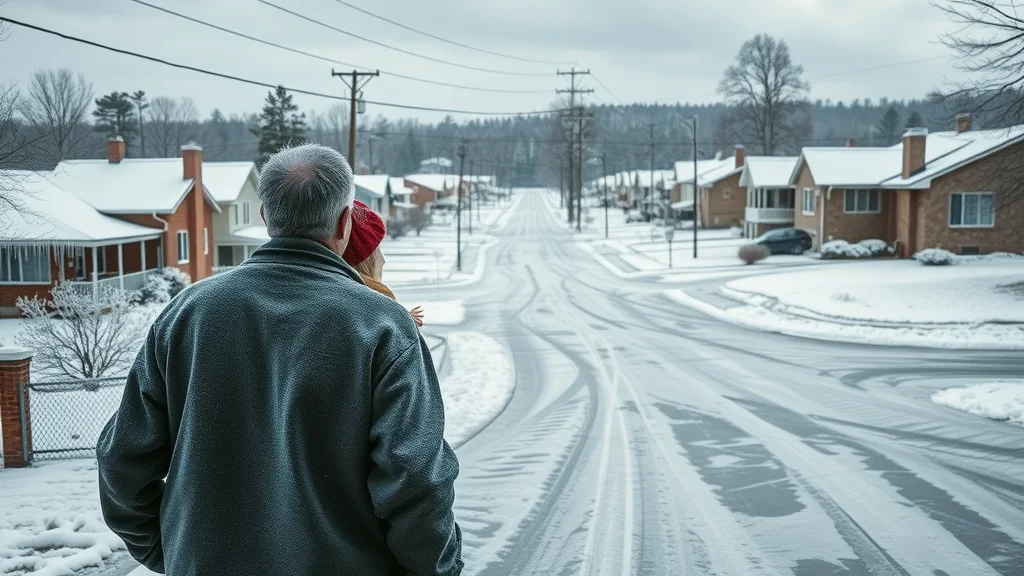
What You’ll Learn: How an Ice Storm Can Damage Your Homes Exterior in Columbia SC
- Common ways ice storms and freezing rain damage house exteriors
- Vulnerable areas of homes in winter weather
- Prevention tips to protect your home from storm damage
- Notable examples from recent ice storms in South Carolina
Understanding Ice Storms and Freezing Rain in Columbia, SC
To fully grasp how an ice storm can damage your homes exterior in Columbia SC, it’s essential to understand the science behind these chilling events. Ice storms differ from typical winter weather; they are specifically triggered by freezing rain. In Columbia’s unique climate, temperatures may hover just above freezing at higher elevations, while the air closer to the ground is cold enough to freeze any rain as soon as it lands, creating a rapid accumulation of heavy ice on every exposed surface.
The impact isn’t limited to rooftops and driveways. Ice clings to tree branches, gutters, power lines, and siding—compounding the chance for breakage, leaks, or even dangerous collapses. Unlike snow and ice, which can be brushed away, a thick layer of ice bonds tenaciously to home exteriors, weighing down structures not designed for such stress. Columbia’s intermittent winter storms mean many homes are caught unprepared when the first crystalized raindrop lands, highlighting the urgency of proactive home protection.
For homeowners looking to take immediate action, understanding the importance of timely repairs and professional help is key. If your home’s exterior has already suffered from winter weather, you can explore expert solutions and restoration services by visiting Columbia’s trusted painting and repair specialists for guidance on restoring both function and curb appeal.
What Defines an Ice Storm in the Context of Winter Weather
An ice storm is categorized by substantial, often paralyzing, ice accumulation created by prolonged periods of freezing rain. The National Weather Service formally defines an ice storm as one resulting in at least 0.25 inches of ice on exposed surfaces. In South Carolina, these storms rarely involve much heavy snow—they’re all about rain that instantly freezes to everything outdoors, from rooftops to railings. While high winds may compound damage, it’s the unrelenting weight and friction of ice that does the majority of exterior harm in the Midlands region.
This ice quickly renders roads and walkways hazardous, but more critically, it infiltrates home exteriors by overwhelming gutters, breaking tree limbs, and forcing its way into seams in roofs and walls. Unlike typical winter weather snow or sleet, the threat from ice storms accumulates silently, often overnight, catching residents and their properties off guard—a key reason that proper precautions should be a regular part of your pre-winter home maintenance routine.
How Freezing Rain Forms in South Carolina’s Climate
South Carolina’s geographic position between warm Gulf air masses and cooler Appalachian air creates the perfect recipe for freezing rain. Storm systems push warmer, moist air above a shallow—but crucial—layer of sub-freezing air at ground level. As rain falls, it passes through this pocket: what starts as liquid droplets quickly transforms into icy layers as the water instantly solidifies on cold surfaces like metal gutters, trees, and siding.
The result? A cityscape glossed with frozen danger, and a community forced to confront the reality that freezing rain can be even more hazardous to home exteriors than winter’s fiercest blizzard
Comparison of Winter Weather Events in Columbia, SC: Ice Storms vs. Snow vs. Sleet
| Event Type | Frequency | Typical Damage Types | Location Impacted | Severity in Columbia, SC |
|---|---|---|---|---|
| Ice Storm | Occasional (Every 5–7 years) | Roof and gutter collapse, power outages, cracked siding, broken trees | Citywide, esp. suburban neighborhoods | High |
| Snow | Rare (1–2 times/decade) | Minor exterior stress, slippery surfaces | Isolated, varies by elevation | Low to Moderate |
| Sleet | Occasional (Every 2–3 years) | Surface icing, minor gutter strain, drive/walk hazards | Localized streets and yards | Moderate |
How an Ice Storm Can Damage Your Homes Exterior in Columbia SC
Now, let’s address exactly how an ice storm can damage your homes exterior in Columbia SC. When you consider the collective threats of ice accumulation, falling trees, and failing power lines, the risk becomes urgent. Everything from your roof to walkway may be affected—often at the same time. For houses built with traditional exteriors—such as wood siding, asphalt shingles, or standard gutters—the risk is considerably higher because these materials can crack, warp, or sag under the stress of winter storms.
Additionally, Columbia’s humid subtropical climate can mean that after the initial freeze, water damage and even mold growth becomes a hidden problem as ice melts and seeps into vulnerable cracks. Homeowners have repeatedly reported challenges with lingering leaks, peeling paint, warped trim, and broken seals, all of which can be complicated—and expensive—to fix if not caught in time. By learning where your house is most vulnerable, you can focus on meaningful, preventative action before the next winter storm hits.
Roof and Gutter Damage from Ice Storms and Freezing Rain
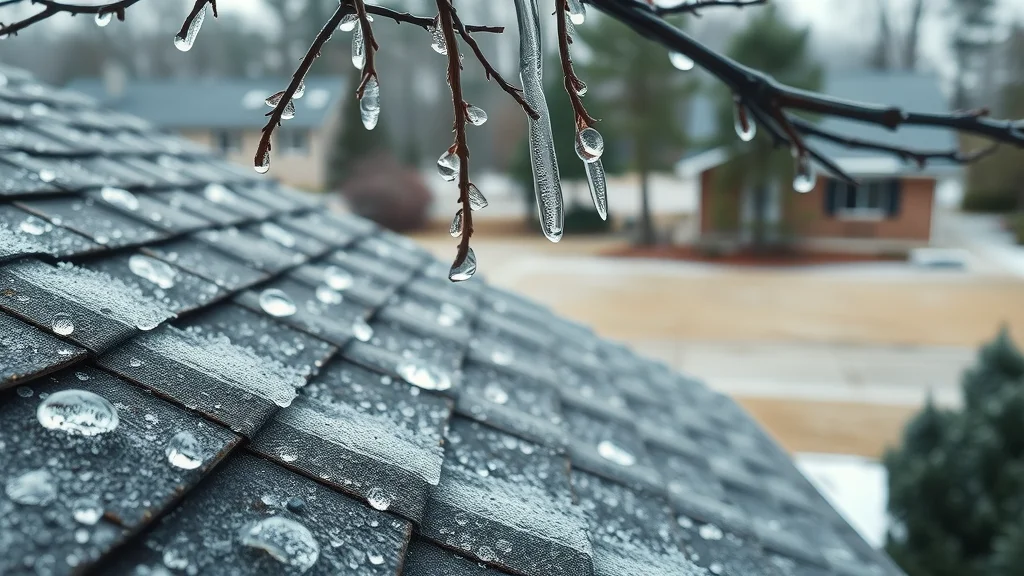
Your roof and gutters are the first line of defense and often the first victims during an ice storm. Ice dams build up along the eaves, trapping even more freezing rain and water. As the layer of ice thickens, the combined weight can cause shingles to crack or peel, especially on older roofs. Gutters can bend, pull away from the fascia, or even collapse under pressure, especially if clogged with debris—leading to unplanned leaks directly into the home’s infrastructure. For Columbia homeowners, this risk is heightened due to the city’s tall pines; falling icy branches can further hammer exposed rooftops, compounding the storm damage.
Following an ice storm, signs such as bowed or missing gutters, visible shingle damage, or persistent icicles are strong indicators of underlying issues. If left untreated, these can result in chronic water damage behind walls and ceilings, ultimately fostering mold growth. Columbia’s milder winter temperatures mean the freeze-thaw cycle often breaks the natural barrier of older rooflines, so keeping your roofing and drainage systems in top shape is one of the key steps in protecting your home from predictable and preventable ice storm threats.
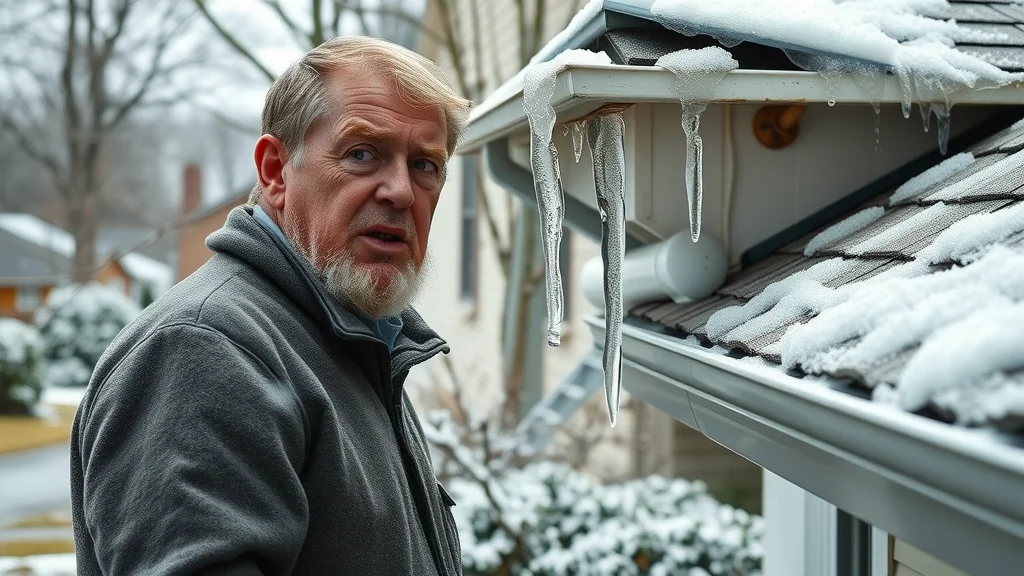
Siding and Paint Impacted by Severe Winter Weather
Severe winter weather can do serious harm to your home’s walls as well. Siding made of wood, vinyl, or even fiber cement is susceptible to both rapid temperature swings and the prolonged moisture of ice storms. Freezing rain can force water into tiny, almost invisible cracks or seams in the siding. As temperatures dip, this trapped water expands, splitting boards or popping nails, ruining the uniform appearance of your home’s exterior.
Paint and protective coatings are not immune; the pressure and moisture from expanding ice can cause them to peel, bubble, or chip much more quickly than usual. Columbia’s high humidity exacerbates these issues—after a storm, any trapped moisture takes longer to dry, further escalating the risk of mold growth and structural degradation. Watch for flaking paint, warped clapboards, and water stains on interior walls after an ice storm: These are all signs that your home’s outer “skin” has already been breached and may need professional repair or refinishing to prevent long-term storm damage.
Risk of Broken Windows, Doors, and Exposed Seals
The result? Cracked glass, warped frames, and gaskets that no longer hold tight
After the storm hit, many Columbia residents have discovered shattered panes and water pooling around window sills—especially on homes with older or poorly-installed weather stripping. If your doors stick or won’t fully close after a cold snap, it’s likely the frame has been warped, letting in more cold air and moisture. Proactive sealing and timely replacement of damaged weather strips go a long way toward protecting your home and maintaining comfort—even when winter weather takes a turn for the worst.
Power Outages and Their Effect on Home Exteriors
Ice storms frequently result in widespread power outages throughout Columbia, as the layer of ice brings down trees and power lines. While the immediate impact is often obvious (loss of lights, heating, and appliances), many homeowners overlook how these outages can stealthily damage home exteriors. During an outage, sump pumps, dehumidifiers, and heating systems stop working, allowing melting ice to accumulate unnoticed. This can mean basement flooding or condensation forming in cold, unheated rooms—both of which lead to costly water damage and possible mold growth.
Properties left unheated for long periods risk frozen, burst pipes—which can leak into siding and crawl spaces, compounding post-storm structural issues. Experts recommend that Columbia residents equip their homes with backup systems like portable generators and surge protectors to minimize disruption. Investing in these preventative measures can help you weather even the worst storms with greater peace of mind.
- Common exterior materials most susceptible to ice storm damage
- Signs of storm damage to look for after a winter storm
- Why Columbia SC homes are especially vulnerable
Case Example: The Historic Ice Storm in South Carolina
To truly understand how an ice storm can damage your homes exterior in Columbia SC, it helps to look back at real events. The 2014 ice storm stands as one of South Carolina’s most devastating winter episodes—leaving a trail of wrecked rooftops, torn gutters, and shattered siding across the Columbia region. City and state emergency management offices received thousands of reports detailing everything from tree limbs through kitchen windows to weeks-long power outages that created additional moisture and freezing hazards inside affected homes.
Insurance and repair companies worked around the clock, facing an unprecedented wave of claims. Repair crews recall entire streets littered with broken branches and twisted guttering, while many homeowners spent weeks battling dampness and hidden water damage as ice slowly melted away. Such real-world accounts underscore the necessity of prevention, and they serve as evidence that even moderate ice events can carry a staggering long-term cost.
Major Ice Storm Events: Timeline and Damage Reports
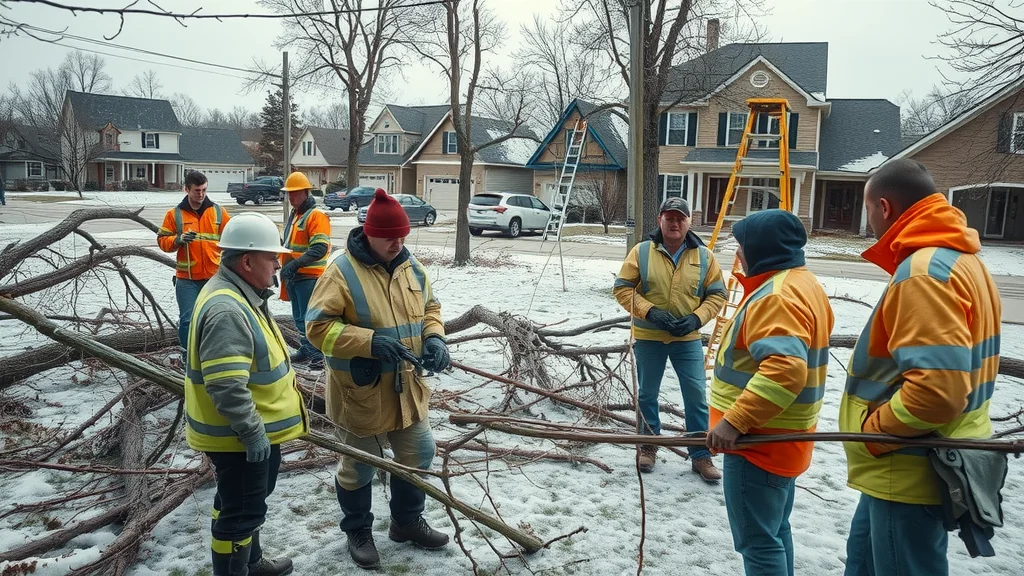
The 2014 storm is often referenced for both its severity and its lasting impact. In early February, forecasts called for rain, but when freezing temperatures plunged unexpectedly, homes in Columbia found themselves glazed under nearly an inch of ice. Power outages quickly became widespread as loaded branches toppled power lines. As the storm lingered, insurance adjusters chronicled everything from collapsed carports and fences to waterlogged walls and destroyed decks.
Reports indicate that hundreds of Columbia residents spent weeks addressing storm damage—from splitting wood siding and ice dams on roofs to broken windows and chronic leaks. The financial toll reached millions in repairs and upgrades, highlighting how a single ice event can have a ripple effect on both property values and peace of mind. Today, state agencies continue to urge Columbia homeowners to adopt regular winter maintenance, as history can and does repeat itself.
Homeowner Accounts and Before-and-After Testimonies
Personal stories put a face to the dangers of winter weather in Columbia. Homeowners frequently recall waking up to freezing silence—only to find frozen gutters hanging down in jagged shards and shattered branches littering their lawns. In the aftermath of the 2014 event, before-and-after images sent to insurance agencies tell the story best: intact homes left with broken siding, missing shingles, and gaping holes where once-watertight windows had stood.
One local insurance expert notes: “The 2014 ice storm left hundreds of Columbia homeowners with roof and siding repairs totaling millions in storm damage.” These experiences serve as urgent reminders to not only assess your home’s exterior before winter, but also to schedule regular professional inspections and tackle repairs before a minor issue turns into a major crisis. The reality is, each winter brings another chance for ice-related hardship—only the prepared will come through unscathed.
“The 2014 ice storm left hundreds of Columbia homeowners with roof and siding repairs totaling millions in storm damage.” — Local Insurance Expert
How to Protect Your Home from Winter Storm Damage in Columbia SC
When it comes to keeping your home safe, knowledge is only half the solution—the rest is preparation. Understanding how an ice storm can damage your homes exterior in Columbia SC should prompt immediate action. Focus on reinforcing susceptible areas and establishing a reliable emergency plan long before storm warnings hit the news. Taking proactive steps can prevent ice dams, eliminate the risk of roof leaks, and drastically reduce the chance of long-term water damage or mold growth after winter storms.
Home maintenance doesn’t have to be overwhelming. Columbia’s most experienced contractors recommend scheduling a thorough winter inspection each fall, focusing on the roof, gutters, siding, windows, and the trees closest to your home. Don’t hesitate to invest in weatherproofing materials or hire professionals for larger repairs—every dollar spent before a storm is likely to save much more in restoration costs later. Acting soon, especially when winter weather is still a distant forecast, gives you and your family the peace of mind you deserve.
Maintenance Tips for Defending Against Ice Storms
- Inspect and reinforce roofing and gutters before winter weather arrives
- Seal all windows, doors, and exterior joints
- Trim trees to prevent limb breakage during freezing rain
- Keep walkways and driveways clear of ice
A disciplined routine can make all the difference for Columbia homeowners. Start with gutter cleaning in early fall, followed by a close check for loose or missing shingles. Apply waterproof caulking to door and window frames to block out icy drafts. If your property is surrounded by mature pines or oaks, keep trees trimmed so no limbs hang close enough to harm the house if they break under ice. Finally, use salt or sand on driveways before a freeze to prevent ice buildup and slippery walking hazards.
Emergency Preparation for Severe Ice Storms
- Install surge protectors and backup generators
- Stock up on salt, sand, and safety gear
- Review insurance policies for winter weather coverage
Don’t wait until a storm warning is issued to prepare your essentials. Surge protectors and backup generators can mean the difference between a manageable outage and serious property damage. Create an emergency kit with flashlights, salt, sand, and protective clothing. Equally important is a review of your homeowner’s insurance to ensure you have adequate coverage for winter storm events, including damages from freezing rain or ice storms. The right precautions taken today will minimize stress when the next big freeze arrives in Columbia.
People Also Ask: Ice Storm Damage and Home Protection in Columbia SC
What Damage Can an Ice Storm Cause?
Ice storms can cause roof collapse, siding cracks, broken gutters, shattered windows, and long-term water damage to home exteriors, especially in Columbia SC with its unique winter weather patterns.
What Year Was the Ice Storm in South Carolina?
The most severe recent ice storm in South Carolina struck in 2014, causing extensive storm damage throughout Columbia and the Midlands region.
How to Protect Your Home from Winter Storm Damage?
Protect your home by reinforcing roofs and gutters, sealing exterior gaps, trimming nearby trees, and installing backup power sources before an ice storm arrives.
How Much Ice Needs to Accumulate on Outside Surfaces for a Winter Storm to Be Called an Ice Storm?
The National Weather Service classifies an ice storm when at least 0.25 inches of ice accumulates on exposed surfaces, which can significantly impact homes in Columbia SC.
Tips and Checklists: Prepare Your Columbia SC Home for an Ice Storm
- Preventative maintenance tasks for home exteriors
- Emergency kit essentials for freezing rain and power outages
- Best local services for storm damage repairs
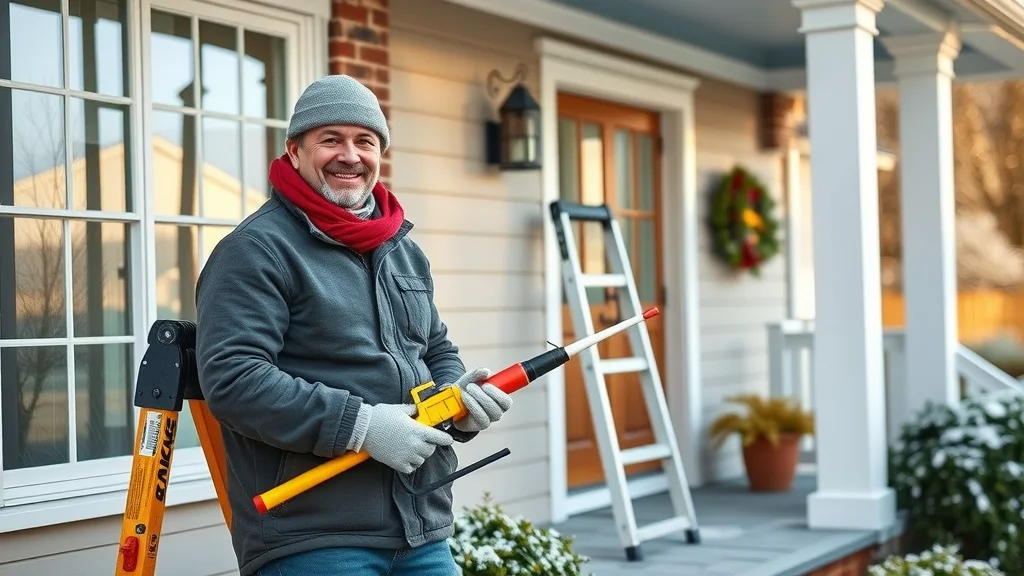
Your ice storm checklist should include clearing gutters, checking insulation, reinforcing doors, and reviewing your emergency supplies. Have an inventory of critical contacts—tree service, roofing, and storm repair professionals—ready before a storm strikes. Columbia’s top-rated contractors offer rapid response for inspections and repairs; scheduling a pre-storm appointment can help avert disaster and save time when every minute counts.
Key Takeaways: Protecting Your Home Exterior from Ice Storms
- Even moderate ice accumulation can lead to serious damage to roofs, siding, and gutters
- Regular inspections and timely maintenance are vital to withstand winter storms
- Being proactive can prevent costly repairs after a winter weather event in Columbia SC
Frequently Asked Questions: How an Ice Storm Can Damage Your Homes Exterior in Columbia SC
- Can insurance help with ice storm damages?
- How can I tell if my siding was damaged after an ice storm?
- Should I replace gutters after every severe winter storm?
Can insurance help with ice storm damages? Most homeowner’s insurance policies provide coverage for sudden, accidental damage from ice storms, including roof or siding collapse and broken gutters
How can I tell if my siding was damaged after an ice storm? Look for visible cracks, warping, stained patches, and peeling paint or edges
Should I replace gutters after every severe winter storm? Not necessarily—inspect gutters for sagging, cracks, separation from the fascia, or persistent leaks
Ready to Protect Your Home? Connect with the Best Painter in Columbia SC
For repairs and refinishing after an ice storm, trust Columbia’s top-rated experts. Visit Best Painter in Columbia SC for professional assessment and restoration today.
Conclusion
Proactive care and timely strategies are your best defense against the hidden threats of ice storms. Ensure your home is ready—inspect, maintain, and invest in reliable professionals before severe weather strikes your Columbia neighborhood.
If you’re committed to safeguarding your property year-round, it’s wise to look beyond just winter weather threats. Explore the full range of home improvement and protection strategies available at Space Transformerz, where you’ll find resources and expert advice for every season. By staying informed and proactive, you can enhance your home’s resilience, boost its value, and enjoy greater peace of mind no matter what nature brings. Take the next step in comprehensive home care and discover how a holistic approach can make all the difference for your Columbia residence.
Sources
- National Weather Service – https://www.weather.gov/chs/ice_storms
- South Carolina Emergency Management Division – https://www.scemd.org/stay-informed/emergencies/severe-winter-weather/
- SC Severe Weather Research Center – https://www.scsu.edu/weather-resource-center/
- Insurance Journal – https://www.insurancejournal.com/news/southeast/2014/02/17/320125.htm
Ice storms in Columbia, SC, can inflict significant damage on your home’s exterior, affecting roofs, gutters, siding, and foundations. Understanding these risks and implementing preventive measures is crucial to protect your property.
Roof and Gutter Damage
Ice accumulation on roofs can lead to structural damage and leaks. The weight of the ice can stress the roof structure, causing it to sag or even collapse. Additionally, ice dams can form at the edge of the roof, preventing proper drainage of melted snow. This can lead to water seeping into the attic or walls, causing water damage. (carterhomeandcommercial.com)
Siding and Exterior Walls
Freezing rain can seep into cracks in siding and exterior walls. As temperatures drop, this moisture freezes and expands, leading to cracks and fractures. Over time, repeated freezing and thawing cycles can weaken the wall’s structural integrity, potentially causing it to warp or crumble. Frozen walls may also promote mold growth and rot in the underlying materials, creating health hazards and costly repairs. (tigeradjusters.com)
Foundation Issues
When frost and ice melt, water can seep into cracks in the soil and along foundation walls. As the ground becomes saturated, this excess moisture creates hydrostatic pressure. The force pushes against the walls and can cause foundation cracks and shifts, leading to settlement and structural damage. (fixmyfoundation.com)
Preventive Measures
To mitigate these risks, consider the following steps:
-
Roof Maintenance: Inspect your roof for loose shingles and ensure gutters are clear of debris to prevent ice dams. (mrhandyman.com)
-
Seal Cracks: Seal all cracks, holes, windows, doors, and other openings on exterior walls with caulk or insulation to prevent cold air from entering. (hanover.com)
-
Foundation Care: Ensure proper drainage around your home to prevent water accumulation near the foundation.
By proactively addressing these areas, you can significantly reduce the potential for ice storm damage to your home’s exterior in Columbia, SC.